Business understanding · Technical dialogue · Useful systems

Turn your idea
into an app that works.

MVP, business software, web or mobile app: I start from how your business really runs on the ground to design a simple tool your teams actually use.

Your difficulties do not start
with a tool.
They often start with unclear business logic.

01

You're losing time on repetitive tasks.

Manual data entry, follow-ups, exports, reporting. Before automating, we need to understand what repeats, why, for whom, and what is genuinely worth simplifying.

02

Your organisation has grown faster than its reference points.

Makeshift spreadsheets, generic solutions, scattered information. The issue is not only choosing business software, but clarifying the rules, roles and flows that should guide it.

03

Your data is scattered across too many tools.

Clients, operations, documents, invoicing, reporting: when every piece of information lives in a different tool, teams lose time and visibility disappears.

Two starting points

What I deliver

MVP

For founders who want to test their idea with a first usable version.

What you get

  • The scope of the first version: what matters most to test, prioritised with you
  • Mockups of the key screens
  • A live web or mobile app, ready for your first users

How it works

  1. Scoping · Your idea, your target users and what the first version needs to prove.

  2. Design · The essential user journeys and screens, validated with you.

  3. Development · Building the app, with regular check-ins along the way.

  4. Launch · Going live, then getting your first users on board.

Timeline
3 to 6 weeks
Budget
From €7,500 excl. VAT
Book a free scoping call

Business software

For companies whose processes are scattered across too many tools.

What you get

  • A map of your processes, roles and data
  • Mockups of the screens, designed for each role
  • Online software that brings your processes together in one place

How it works

  1. Scoping · Your processes, your current tools and what is costing your teams time.

  2. Design · Data, rules and screens for each role, validated with your teams.

  3. Development · Building the software, with demos on your real-world cases.

  4. Launch · Deployment, then getting your teams up and running.

Timeline
4 to 8 weeks
Budget
From €10,000 excl. VAT
Book a free scoping call

Billed per week of development at €2,500 excl. VAT per week, with the features for each week agreed together beforehand.

The ScrollToTop Method

8 steps from business understanding to the right system.

We start with your challenges, not a technology. The first job is to create a shared language between leaders, teams and technical execution.

Tableau de suivi des étapes de conversion et de pilotage
1

Understand the business

We start with how your business really works, its constraints and processes — not with a technology or template.

2

Identify the users

Who will use the tool, every day or occasionally — and exactly what they need it for.

3

Define roles and permissions

What each user can see, do and change — designed from the outset, not added as an afterthought.

4

Model the data

The structure that will support your business for years — designed to last, not merely to move fast today.

5

Define product decisions

What needs to exist, in what order, and why — based on real usage, not a wish list.

6

Define the first useful scope

The smallest scope that delivers real value, can be delivered quickly and tested in real-world conditions.

7

Translate into architecture

Technical decisions come from the business: data, roles, rules and future changes need to stay coherent over time.

8

Automate when it is relevant

We automate only what creates real value. AI is considered only when it serves a clear use case, never before business understanding.

The Method in action

Two business contexts.
One method applied step by step.

01ScrollToTop method

Alex

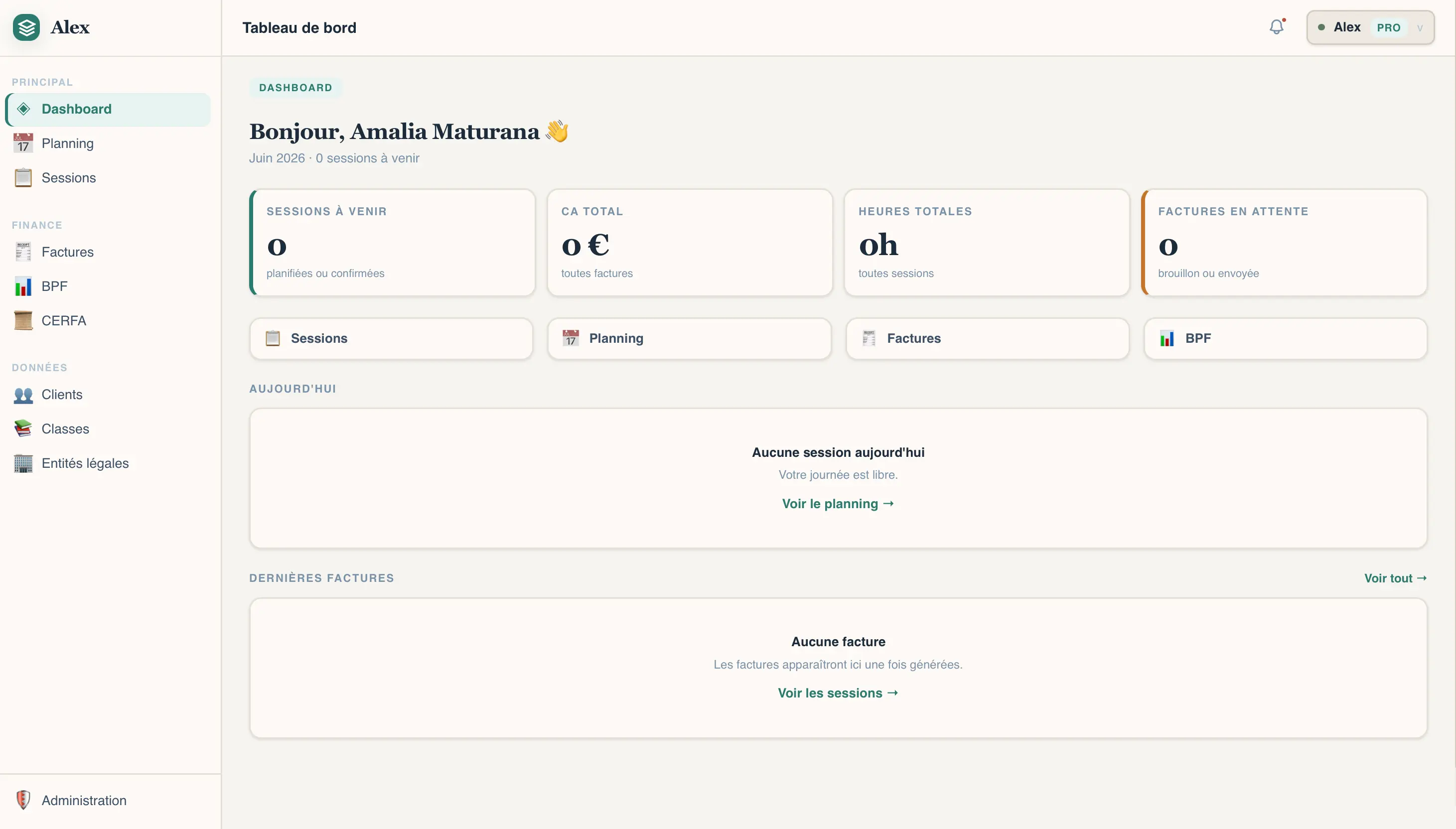
Main example of the method: understand the training business, structure the data and design a business SaaS platform.

Problem

A trainer's day-to-day work depends on many business objects: clients, legal entities, classes, subjects, sessions, resources, documents, invoices and regulatory data.

Solution

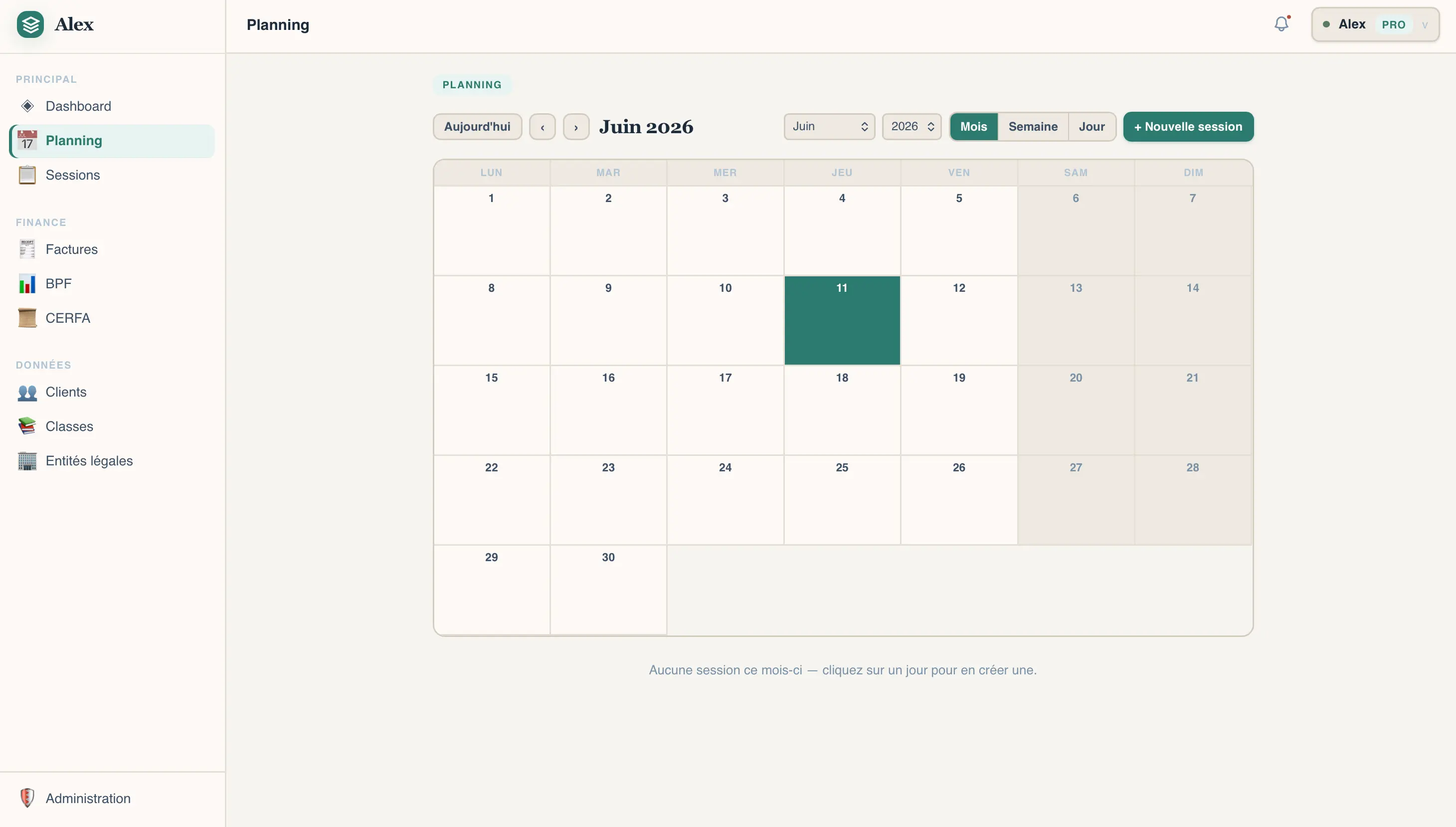
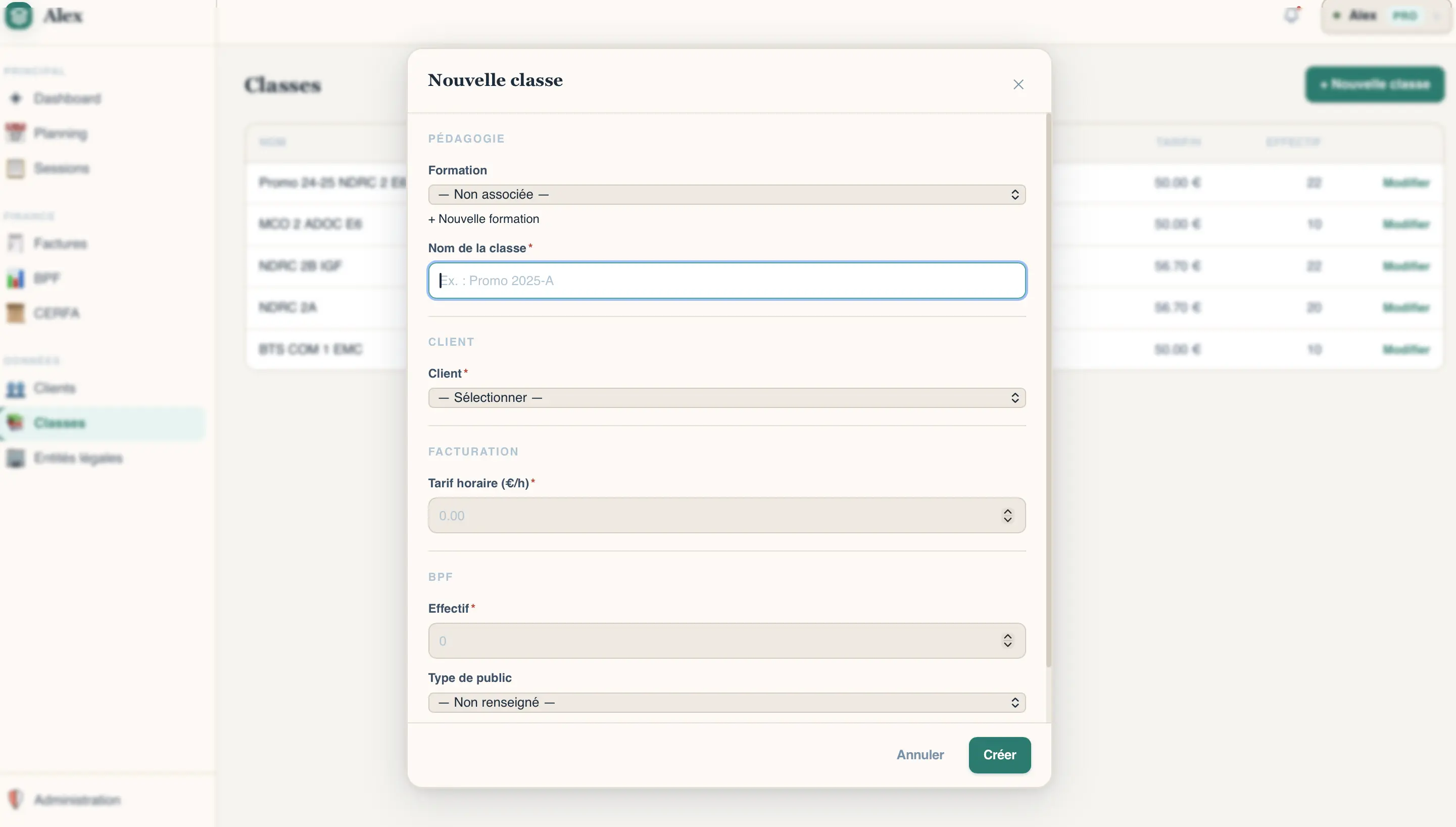
One tool to centralise trainer operations: client and legal entity management, session planning, teaching resources, documents, invoicing and BPF preparation.

👥

Users and roles

Understand who uses the product

The product separates trainer, manager and administrator roles. Each has its own access rights, permissions and responsibilities so a single screen does not have to serve every use case.

🏗️

Data and architecture

Structure before implementation

The model connects clients, legal entities, classes, subjects, sessions, teaching resources, documents, invoices and regulatory data. The MVP was scoped around the trainer's daily workflow.

⚡

Useful automation and AI

Accelerate without replacing business decisions

AI was used only as execution support to speed up selected repetitive tasks, tests and documentation. Business understanding, regulatory rules, data and architecture choices remained human decisions.

My role

Business system design & product architecture

Full design of a business system for independent trainers and training organisations — workflow understanding, data modelling, product architecture, then delivery of the SaaS platform.

Full creation — business, data, architecture, product
  • ✓Application architecture & technical decisions
  • ✓Database design & modelling
  • ✓User journeys and business screens
  • ✓Business flows and operating rules
  • ✓Authentication & role management
  • ✓Invoicing & BPF preparation
  • ✓Production deployment & infrastructure

Preview

Discover the interface

Centralised dashboard1 / 3

Centralised dashboard

Features

What the platform does

01

Client management

Centralise clients, contacts and information needed to run training operations.

02

Subjects and classes

Organise the training catalogue around classes, subjects and managed groups.

03

Session planning

Planning view to create, track and retrieve training sessions.

04

Teaching resources

Attach learning materials and resources to the relevant subjects, classes and sessions.

05

Document management

Documents attached to sessions to keep pedagogical and administrative context together.

06

Invoicing and BPF

Generate invoices and prepare the Pedagogical and Financial Report.

Secondary stack

Technologies used

Next.jsReactTypeScriptSupabasePostgreSQLTailwindVitest

Business impact

Outcome

Alex shows the full ScrollToTop method: understand the business, identify users, define roles, model data, clarify processes, design the architecture, then deliver business software as a maintainable SaaS platform.

Similar need?

Let's talk about your business system.

Book a business scoping call →
02Field operations system

EasyShipping

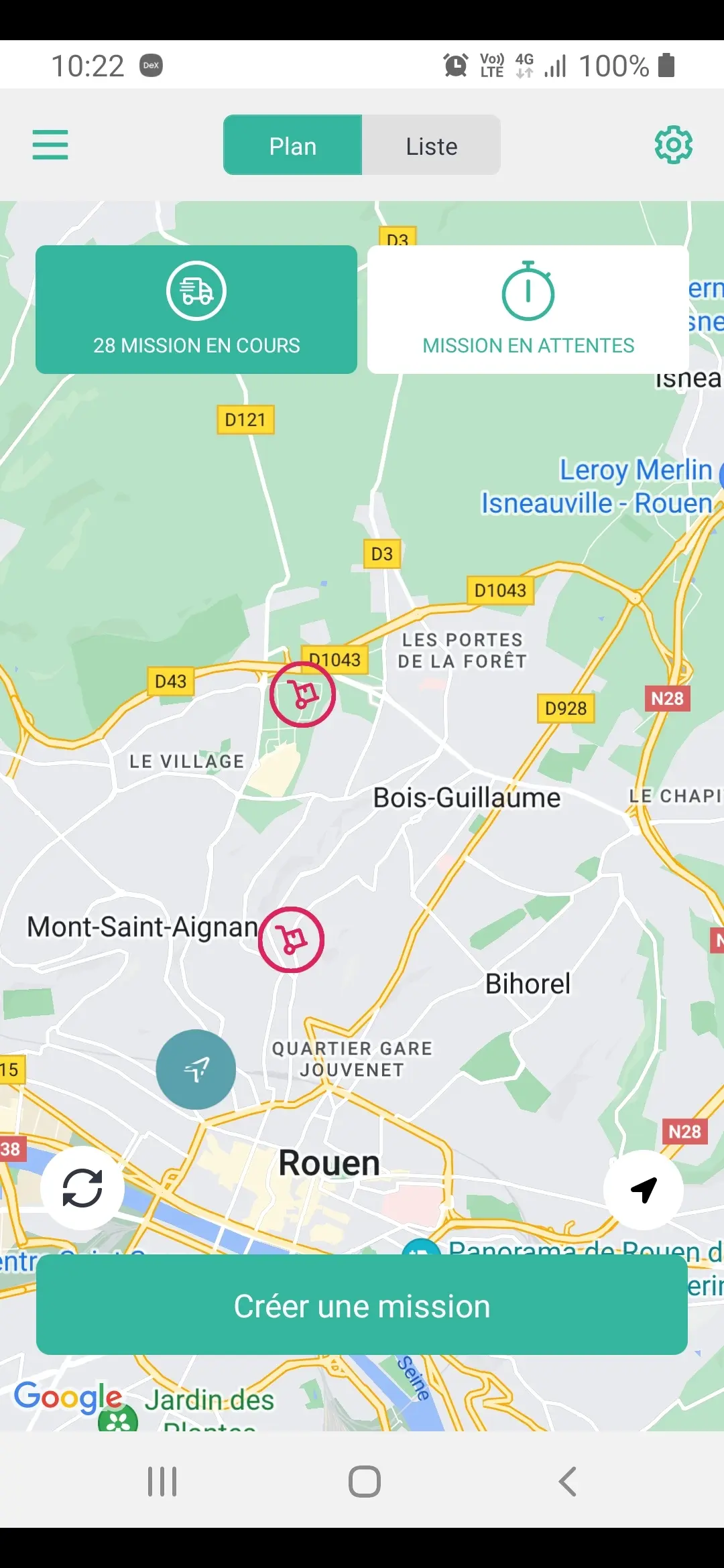
Takeover and evolution of an existing business mobile app for shippers, carriers and drivers.

Problem

Connecting shippers and carriers requires a clear workflow: publish a transport request, receive offers, select a carrier, track the mission and retrieve documents.

Solution

A product takeover with continuity: refactoring, stabilisation, UX/UI redesign, improved role-based journeys and new features on a business mobile app already in production.

👥

Users and roles

Understand who uses the product

Three profiles shape the product: shippers publish requests, track transport and retrieve documents; carriers review opportunities and accept missions; drivers carry out transport in the field and send proof of delivery.

🏗️

Data and architecture

Structure before implementation

The challenge was to evolve an existing codebase: requests, offers, missions, documents, proof of delivery, invoicing and dashboards had to remain coherent in a maintainable app.

🔎

Business immersion

Understand before designing

Before proposing changes, I took time to understand how transport and logistics work: stakeholders, business vocabulary, the shipment lifecycle, operational constraints and day-to-day usage. This immersion makes it possible to design features that are genuinely adapted to field reality.

My role

Product evolution & business journey structuring

I took over an existing business mobile app to support its continuous evolution: refactoring, stabilisation, UX/UI redesign, clarified role-based journeys and new features aligned with operations.

Long-term contribution — ~2 years of evolution
  • ✓Role-based mobile journeys
  • ✓Refactoring and foundation modernisation
  • ✓Significant technical debt reduction
  • ✓Contribution to the UX/UI redesign
  • ✓Evolutionary maintenance & stabilisation
  • ✓New features on a product already in production

Preview

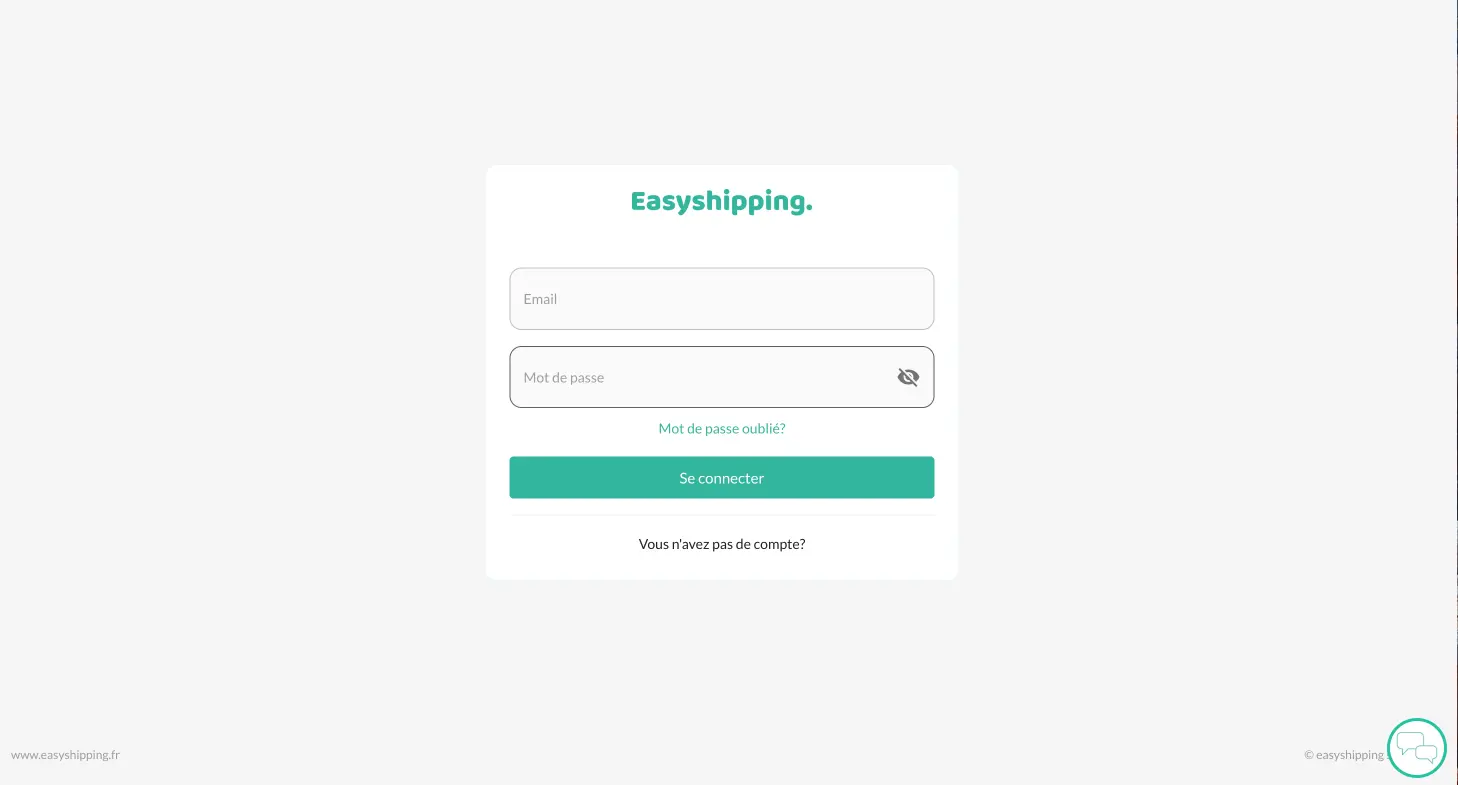
Discover the interface

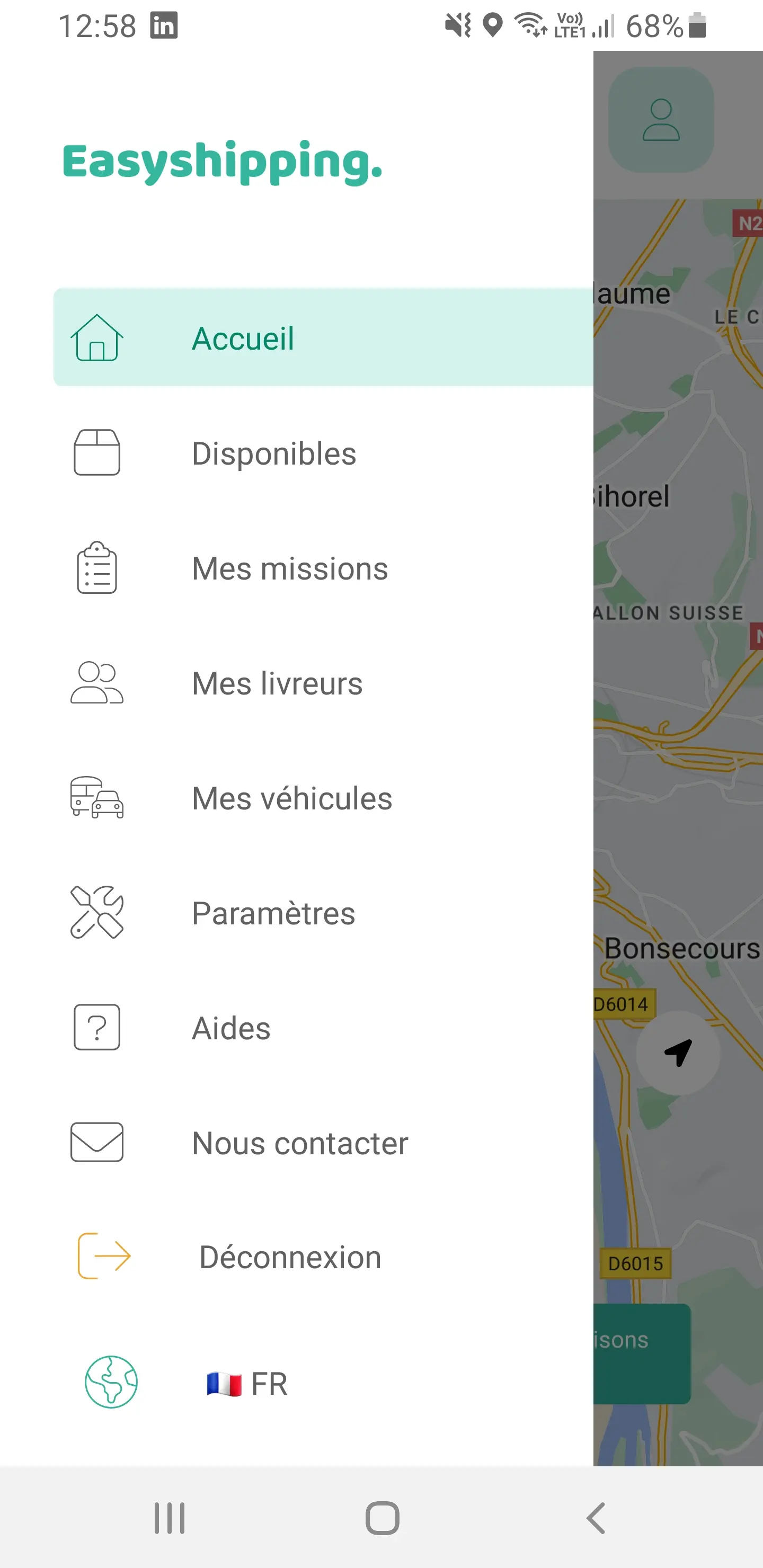
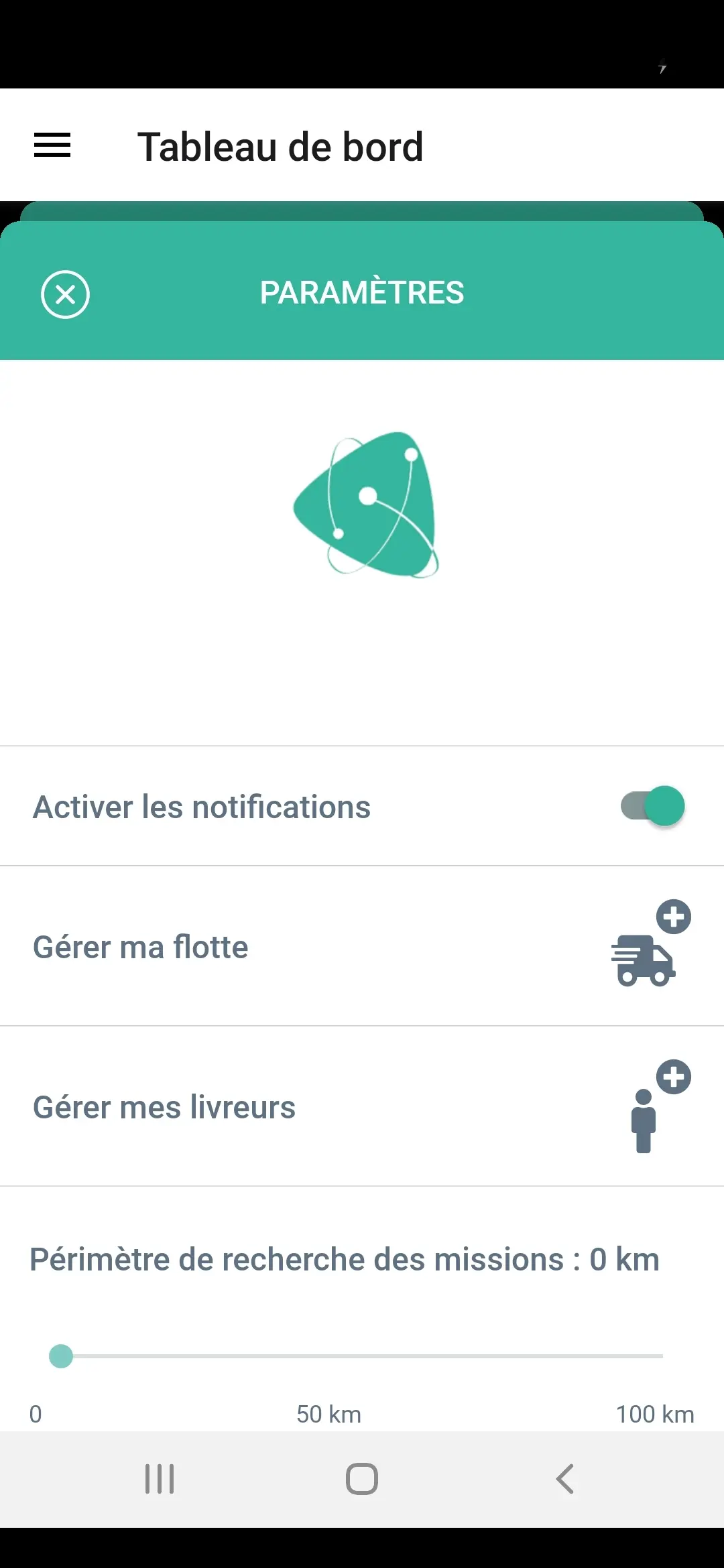
Mobile mission tracking interface
1 / 4

Mobile mission tracking interface

Features

What the platform does

01

Transport requests

Publish a request with the information required to organise transport.

02

Carrier network

Review opportunities, submit offers and accept missions.

03

Shipment tracking

Track mission progress from the initial request through to delivery.

04

Proof of delivery

Send and retrieve delivery proof once the shipment is completed.

05

Document management

Transport documents, attachments and mission information centralised in one place.

06

Dashboard and invoicing

Operational view of missions, history and invoicing information.

Secondary stack

Technologies used

React NativeTypeScriptGoGoogle MapsPush Notifications

Business impact

Outcome

EasyShipping shows the ability to understand a business and evolve an existing product without disruption: refactor, stabilise, improve the experience, add features and preserve continuity for a business mobile app in production.

Similar need?

Let's talk about your business system.

Book a business scoping call →

Business transformations

One method. Three moments to connect business and technology.

📱

Structure your business

Put simple words on how your organisation really works: processes, users, roles, key data and friction points slowing teams down.

  • ✓Process mapping
  • ✓User identification
  • ✓Role clarification
  • ✓Shared language
→ Book my scoping call
Core transformation
🚀

Design the system that fits the business

Translate your processes into a coherent system built around your data, internal rules and everyday usage.

  • ✓Data modelling
  • ✓Role-based journeys
  • ✓Structured business rules
  • ✓System architecture
→ Structure my system
💻

Evolve your organisation

Support change over time: new processes, new roles, data to make reliable and decisions to prioritise between business and technology.

  • ✓Process improvement
  • ✓Role adaptation
  • ✓Priority management
  • ✓Ongoing dialogue
→ Discuss the evolution

Why ScrollToTop

Why companies choose ScrollToTop

🏗️

A method that creates dialogue

Every project follows the same process: understand the business, align the words, clarify roles, data, product decisions and architecture.

⚙️

The right product after the right scoping

Business software, SaaS platform or mobile app: the format is chosen after understanding your business, users and processes.

🤖

Useful automation, never a gimmick

We automate what removes real friction. AI is used only when it creates clear value and remains under business control.

🚀

Direct communication

You work directly with the person connecting business scoping, system design and product delivery. No intermediaries and no information loss.

They trust us

Collaborations built
on trust.

Every project is different. Our goal stays the same: understand the business, create dialogue and design simple, durable, adapted systems.

60-second diagnosis

What do you actually need?

5 questions to understand your context before talking about a solution.

Question 1 / 5
What is your main challenge right now?

Be specific — this is the foundation of our recommendation

A system to clarify?

Let's talk about your business,
before talking about the solution.

A 20-minute conversation to understand your business problem, users and processes, create a shared language, then identify the right system: business software, SaaS platform, mobile app or useful automation.

✓Business scoping✓No commitment✓Clear recommendation

Let's talk about your business system.

We primarily support SMEs looking to structure or evolve a business system.

We start from your business, users and processes to define the right system: business software, SaaS platform, business mobile app or useful automation.

No commitment.

Book a business scoping call

✓20 minutes to clarify the right system

Business scoping • Clear recommendation • No commitment

Reply within 24h · No commitment